
Time to Pause: Why Children Need Quiet Moments
A pause is not wasted time. Quiet moments can help a child slow down and reconnect after a day filled with impressions and demands.
Published August 1, 2026 · Hjerterum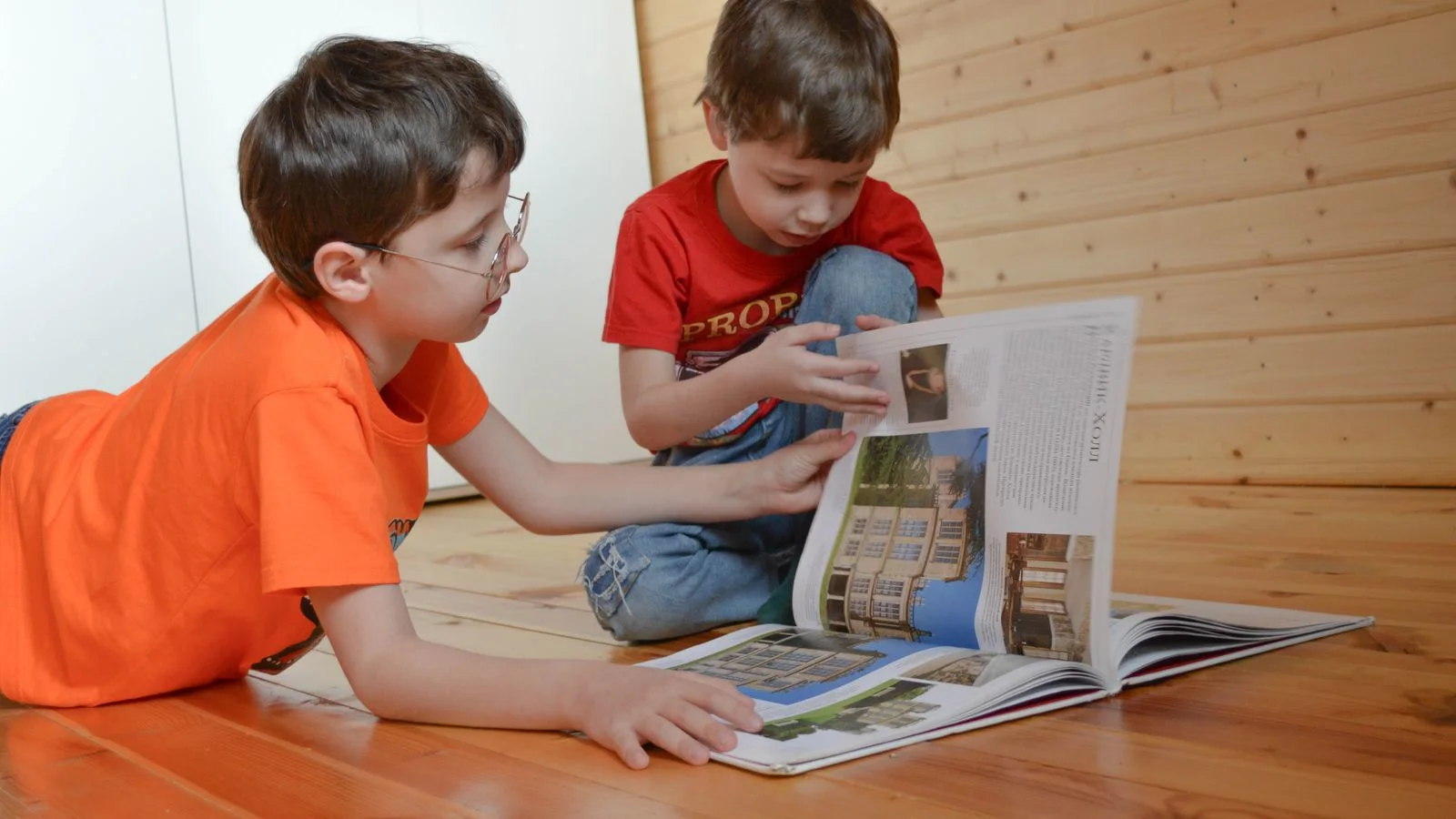
School, activities, screens and social interaction fill a child's day with impressions. A small, familiar space where the child does not have to perform or achieve anything can therefore be valuable.
Calm looks different for every child
Some children relax with a book. Others draw, listen to music, build with Lego or lie under a blanket. A quiet break does not have to be silent, and it does not need to look like meditation to be worthwhile.
Ask your child, “What helps your body settle down?” The answer may change from one day to the next. The point is to notice activities that lower the pace.
Create a clear transition
Breaks work best when they have a beginning the child can recognise. It might be after arriving home, before homework or as part of the bedtime routine. For example:
- Put phones and tablets away.
- Choose a calming activity.
- Set aside 10–15 minutes.
- Finish gently and talk about what happens next.
If the child resists, start even smaller. Three calm minutes can be a better starting point than half an hour that turns into conflict.
Quiet routines are not treatment
Calm routines can support well-being, but they do not replace professional help. If a child is persistently sad or very anxious, struggles to sleep or is not functioning at school or during leisure activities, the family should speak to a doctor or another relevant professional.
The Danish Health Authority recommends calm bedtime routines and notes that screen use close to bedtime can delay sleep. A regular pause can therefore also provide a gentle transition into the evening.
A calm corner in Gatherheart
Gatherheart's Brain Break can be used as a friendly invitation to slow down. When the break is repeated without pressure, the child gradually learns to recognise what helps. The reward should never become more important than the experience of calm itself.