
Season start without panic: Start with the dependencies.
Locations, access, equipment, and staffing are interconnected. Plan the dependent tasks first so that volunteers are not caught in the last minute.
Published September 4, 2026 · Gatherheart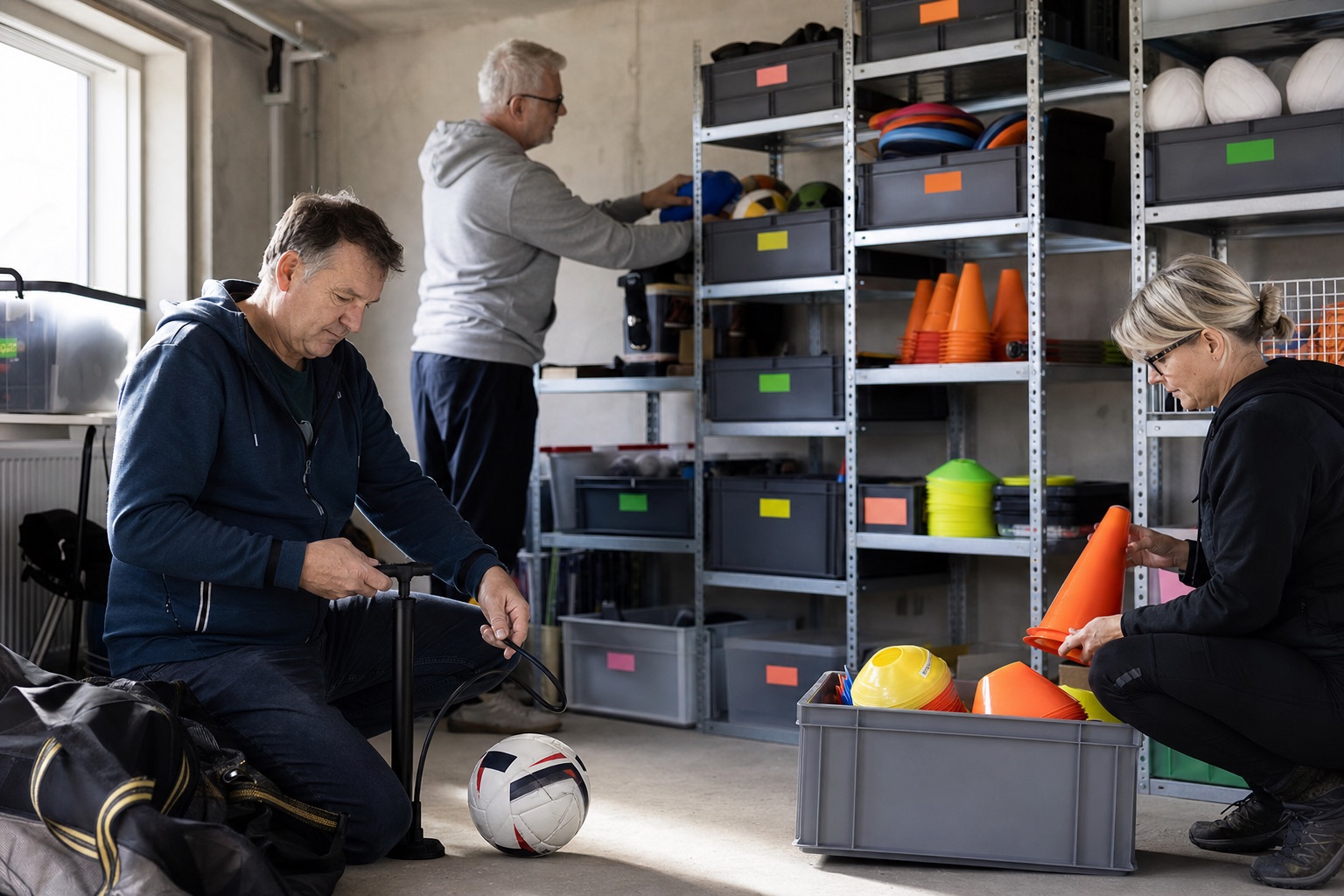
The start of the season has a fixed date, but it still feels surprising every year. Equipment is found to be faulty, a key is missing, the team list is not ready, and the same few people spend the last weekend saving the day.
The problem is rarely a lack of a comprehensive checklist; it's the order of tasks. Some tasks can only be completed once others are finished, and if dependencies are discovered late, additional help doesn't necessarily make a difference.
Start from the back, starting from the first activity day.
Write down what needs to be true when the first team meets: the venue is open, relevant equipment is secure, those responsible are informed, and members know where and when to come.
Then work backwards. Equipment cannot be ordered until needs and budget are clear. Access cannot be tested until keys or pieces are distributed. Information cannot be sent until times and locations are confirmed.
Mark tasks with long wait times
Municipal responses, deliveries, child certificates, or external approvals may have processing times that the association does not control. Start them first and specify a follow-up date—not just the final deadline.
Practical tasks like sorting balls or preparing boxes can often be delegated later to several volunteers once it's clear what's missing.
Separate control from execution
The person who discovers a worn-out tool doesn't need to find the price, order, and receive it. Create the next task with relevant information and the responsible person. Then, the control won't become a hidden invitation to take over the entire problem.
For safety-critical equipment, the association must comply with professional requirements and the manufacturer's instructions. A marking in the Heart Chamber can provide an overview, but it is not a technical approval.
Create a minimum-ready start to the season.
Distinguish between what is necessary for a safe and successful first week and improvements that can come later. New decorations or additional events should not take time away from access, staffing, and equipment.
DGI compiles annual calendars and checklists for the start of the season, among other things, as support for board work. Use them as a basis, but adapt them according to the club's own needs and experiences from last season.
In Hjerterum Forening, tasks can be marked as fixed operational tasks or event tasks. The start of the season often works best as a time-bound project with groups, responsible parties, and deadlines, while the routines that continue are created as recurring tasks.